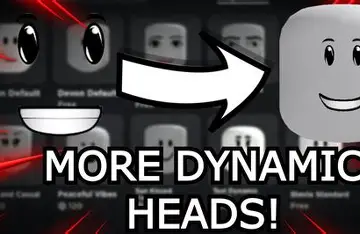
Roblox’s introduction of Dynamic Heads marks one of the most significant shifts in the platform’s avatar system since layered clothing. In 2026, Dynamic Heads are no longer an experimental feature — they have become a core part of Roblox’s identity, reshaping how players express themselves, how developers design experiences, and how the platform approaches realism. While the community’s reaction has been mixed, there’s no denying that Dynamic Heads represent a major step toward Roblox’s long‑term vision of more immersive, expressive avatars.
Dynamic Heads are essentially animated 3D faces that support real‑time expressions, lip‑syncing, blinking, and emotional reactions. Unlike the classic 2D faces that Roblox used for over a decade, Dynamic Heads allow avatars to smile, frown, talk, and react in ways that feel far more lifelike. Roblox uses a blend of rigging, blendshapes, and animation layers to make these expressions smooth and natural. The system is designed to work across all avatar types, including R6, R15, and the newer full‑body models.
One of the biggest advantages of Dynamic Heads is the way they enhance communication. Voice chat, which has become increasingly popular on Roblox, now feels more natural because avatars can visually match the tone of the conversation. When a player speaks, their avatar’s mouth moves in sync with their voice. This creates a more immersive social experience, especially in roleplay games, hangout worlds, and virtual events. Developers have also gained access to APIs that let them trigger expressions during cutscenes, dialogue, or gameplay moments, giving them more creative control than ever before.
However, the rollout of Dynamic Heads has not been without controversy. Many long‑time players feel nostalgic about the classic 2D faces and worry that Roblox is losing its iconic blocky charm. Some users dislike the more “realistic” look, arguing that it clashes with the platform’s simple aesthetic. Others have raised concerns about performance, especially on older devices, where Dynamic Heads can cause frame drops or slow loading times. Roblox has responded by optimizing the system and allowing players to toggle certain features, but the debate continues.
From a creator’s perspective, Dynamic Heads open up new opportunities. UGC creators can now design animated facial accessories, custom expressions, and even full head models that integrate with the system. This has led to a surge in creative designs, from stylized cartoon heads to hyper‑realistic models. The UGC marketplace has expanded dramatically as a result, and many creators have embraced Dynamic Heads as a way to stand out in a crowded market.
Developers have also begun experimenting with Dynamic Heads in storytelling. Games with narrative elements can now show characters reacting emotionally, making cutscenes more engaging. Horror games use subtle facial animations to build tension, while social games use expressions to enhance player interactions. The technology has pushed Roblox closer to the level of modern game engines, giving developers tools that were previously out of reach.
Despite the mixed reactions, Dynamic Heads clearly represent Roblox’s future direction. The platform is moving toward more expressive avatars, deeper social interactions, and higher‑quality experiences. While some players may prefer the simplicity of the old system, Dynamic Heads offer a level of immersion that aligns with Roblox’s long‑term goals.
In 2026, Dynamic Heads are more than just a cosmetic upgrade — they are a foundational step toward a more dynamic, expressive, and emotionally rich Roblox universe.
About the Author





GOOD